 UK's Trusted Air Conditioning Installer
  Excellent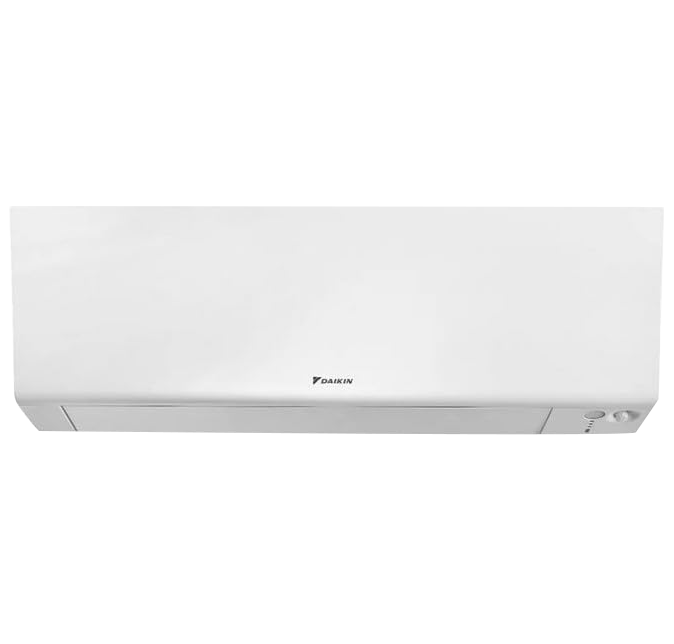
How Much Does Air Conditioning Cost in 2026?Types of Air Conditioners1. Split Air Conditioners2. Multi-Split Air Conditioners3. Portable Air Conditioners4. Ducted Air ConditionersFactors That Impact the Price of Aircon InstallationUnderstanding BTUs and How They Affect Aircon Prices1. What Are British Thermal Units?2. How Do BTUs Affect Air Conditioning Prices?Are There Any Extra Costs After Installing Air Conditioning?Helpful Tips to Save Money on Air ConditioningAir Conditioning Installation Cost FAQs
How Much Does Air Conditioning Cost in 2026?Types of Air Conditioners1. Split Air Conditioners2. Multi-Split Air Conditioners3. Portable Air Conditioners4. Ducted Air ConditionersFactors That Impact the Price of Aircon InstallationUnderstanding BTUs and How They Affect Aircon Prices1. What Are British Thermal Units?2. How Do BTUs Affect Air Conditioning Prices?Are There Any Extra Costs After Installing Air Conditioning?Helpful Tips to Save Money on Air ConditioningAir Conditioning Installation Cost FAQs
As our summers continue to get hotter each year, many people in the UK are thinking about installing air conditioning. It's actually becoming more of a norm to see aircons installed in domestic properties due to the changes in weather.
As you start looking into aircons, one of the first things to think about is the installation cost as it’s key to knowing whether it fits your budget.
Just like any home upgrade, the price can vary based on several factors, including the type of unit you choose, your property’s size and layout, and how complex the installation is.
In this guide, you’ll find a clear breakdown of aircon costs in 2026, the key factors that influence pricing and helpful tips to make sure you get the best value for your money.
No time to waste? Fill in the form below to receive a free, aircon quote:
The cost of air conditioning installation in 2026 can vary quite a bit depending on the type of system you choose and the size of your home.
At Glow Green, you can choose from a wide range of high-quality air conditioning systems from top brands such as Daikin, Samsung and Hitachi, all supplied and installed by our qualified engineers.
For example, the Daikin Perfera 5kW white split system costs around £3,687.50. If you need a more powerful model, the Daikin Perfera 7.1kW version is priced at about £3,906.25.
Alternatively, the Daikin Comfora 7.1kW white split system comes in at approximately £3,781.25, while the smaller Daikin Perfera 3.5kW system costs around £2,968.75. All prices above are inclusive of VAT and installation.
For ease, here is a breakdown of costs:
| Air Conditioning Model | Capacity (kW) | Price (Including VAT & Installation) |
|---|---|---|
| Daikin Perfera White Split System | 3.5 kW | £2,968.75 |
| Daikin Perfera White Split System | 5.0 kW | £3,687.50 |
| Daikin Perfera White Split System | 7.1 kW | £3,906.25 |
| Daikin Comfora White Split System | 7.1 kW | £3,781.25 |
As mentioned earlier, at Glow Green we also supply and install Hitachi air conditioning systems, one of our premium brands known for its reliability and energy efficiency.
The Hitachi 3.5kW split system is priced at around £2,618.75, while the 5.0kW model costs approximately £3,312.50. If you need a more powerful option, the 7.0kW split unit is available for about £3,593.75, with all prices inclusive of VAT and installation.
For ease, here is a breakdown of costs:
| Air Conditioning Model | Capacity (kW) | Price (Including VAT & Installation) |
|---|---|---|
| Hitachi Split Air Conditioning Unit | 3.5 kW | £2,618.75 |
| Hitachi Split Air Conditioning Unit | 5.0 kW | £3,312.50 |
| Hitachi Split Air Conditioning Unit | 7.0 kW | £3,593.75 |
Ultimately, the best way to get an accurate idea of your air conditioning installation costs is to request a personalised quote. This allows you to share details about your home, such as its size, layout and cooling needs, so we can provide a tailored estimate that reflects your specific requirements.
It’s also worth noting that at Glow Green, we offer a much wider range of air conditioning systems beyond the models mentioned above. This is another reason why it’s best to request a personalised quote so we can recommend the most suitable and cost-effective option for your home.
Prices are for guidance only and are subject to change.
As you'll discover, there’s no one-size-fits-all solution when it comes to air conditioning. The best type for your home depends on factors like how many rooms you want to cool, your budget and your property layout.
From split systems designed for single rooms to fully ducted systems that can cool your entire home, there’s an option to suit almost every space and need. Below, you’ll find an overview of the most common types of air conditioners to help you decide which one would work best for you:
Split air conditioners are one of the most popular and efficient options for home cooling. They consist of two main parts, an indoor unit that’s usually mounted on a wall, and an outdoor unit that expels heat outside your home. These two components work together to circulate cool air indoors while keeping the noise and heat outside.
A major benefit of split systems is that they’re quiet, energy-efficient and can cool a single room or an open-plan area effectively. They’re ideal if you want a permanent air conditioning solution without the need for ductwork.
Depending on your home’s layout and preferences, split systems come in different installation styles:
Wall-mounted: The most common type, ideal for living rooms, bedrooms and offices. These units are installed high on the wall and distribute cool air evenly throughout the space.
Floor-mounted: A great option if you don’t have suitable wall space or prefer a system that’s easier to access for maintenance. These models are typically positioned near the floor, similar to a radiator.
Ceiling cassette: Perfect for larger rooms or commercial spaces, these are mounted within the ceiling and blow air in multiple directions, providing balanced cooling across a wider area.
If you want to cool more than one room, a multi-split air conditioning system could be the best choice. Unlike a standard split system that connects one indoor and one outdoor unit, a multi-split setup allows you to connect several indoor units to a single outdoor unit (it's a type of split air conditioner).
This design makes it perfect for homes with multiple bedrooms or larger properties where you want individual temperature control in different rooms. For example, you might keep your living room cooler during the day and your bedroom more comfortable at night, all from one central system.
Another benefit is the cleaner appearance. Since you only need one outdoor unit, a multi-split system saves space and reduces visual clutter around your property. It’s also more energy-efficient than running several separate systems, especially if you only use certain rooms at different times of the day.
If you’re after a flexible cooling option without committing to a permanent installation, a portable air conditioner could be a great fit. These are compact units designed to cool a single room and can be moved easily from one space to another, perfect if you’re renting or only need cooling during certain times in the summer months.
Portable air conditioners usually come with a hose that vents warm air out through a window, helping maintain a comfortable indoor temperature. They’re easy to set up, require minimal maintenance and don’t need professional installation, making them one of the most convenient and affordable options.
While they’re not as efficient or quiet as fixed systems, portable units are great for short-term use or smaller areas where installing a wall-mounted or ducted system isn’t practical.
A ducted air conditioning system is one of the most effective options available if you’re looking for a discreet, whole-home cooling solution. These systems use a network of ducts hidden in your ceiling or walls to distribute cool air evenly throughout your home.
Only the vents or grilles are visible, giving your rooms a clean and modern look.
Ducted systems are ideal for larger properties or homes where you want consistent comfort in every room. You can even install zoning controls, allowing you to adjust the temperature in different areas separately so you can keep your living room cooler while saving energy in less-used spaces.
Although ducted air conditioners are more expensive to install than split or portable systems, they offer excellent performance, quiet operation and a sleek finish.
As we've already touched on, several factors influence the overall cost of air conditioning installation, from the type of system you choose to the layout of your property. Understanding these can help you plan your budget more accurately and avoid unexpected expenses down the line.
Here are some of the main factors that can affect how much you’ll pay for aircon installation:
Type of system: Split, multi-split, portable and ducted systems all come with different installation requirements and price ranges. Generally, the more complex the system and installation, the higher the installation cost.
Size and layout of your home: Larger homes or properties with multiple rooms will need more units or additional piping, increasing both material and labour costs.
Amount of cooling needed (kW capacity): Higher-capacity systems are designed to cool bigger spaces, but they also tend to be more expensive to purchase and install.
Installation complexity: If aircon installers need to drill through thick walls, extend pipe runs or fit units in awkward spaces, the job will take longer and cost more.
Energy efficiency rating: More efficient models might cost more upfront but help lower your energy bills over time, offering better long-term value.
Brand and quality: Premium brands like Hitachi may come at a higher initial price but often provide superior reliability and longer warranties.
Location: Installation prices can also vary by region. For example, costs in London and other major cities are often higher due to labour rates.
Additional features and technology: Modern air conditioners often come with smart controls, built-in air purification, motion sensors or Wi-Fi connectivity. While these extras can make your system more convenient and efficient, they also tend to increase the overall cost.
Another term you’ll often come across when researching air conditioners is BTU, or British Thermal Unit. It’s a key measurement used to determine how powerful an air conditioner is, and understanding it can help you choose the right system for your home while avoiding unnecessary costs.
A British Thermal Unit (BTU) measures how much heat an air conditioner can remove from a room per hour. In simple terms, the higher the BTU number, the more cooling power the system has.
Every space has a specific cooling requirement based on factors like its size, insulation, number of windows and how much sunlight it receives. For example, a small bedroom may only need a 5,000 to 7,000 BTU unit, while a large open-plan living area could require something closer to 15,000 to 20,000 BTUs.
Choosing the right BTU rating ensures your system runs efficiently, keeping your room comfortable without wasting energy.
BTU ratings have a direct impact on the price of an air conditioning system. The more powerful the system (with a higher BTU output), the larger and more expensive the unit tends to be.
Higher-BTU air conditioners also require more energy to run and sometimes involve more complex installation work to handle the additional cooling load. On the other hand, choosing a system with too low a BTU rating can lead to poor performance and higher long-term costs, as the unit needs to work harder to keep your space cool.
Fortunately, you don’t need to worry about working out the BTU requirements for the rooms you want to cool. At Glow Green, we handle all of that for you. However, if you have any questions about BTUs or how they affect your system choice, our team will be happy to help.
Once your air conditioning system has been installed, there are a few ongoing or occasional costs to be aware of. These expenses help keep your system running efficiently, extend its lifespan and ensure it continues to perform at its best.
Understanding them upfront can help you budget for the long term and avoid any unexpected surprises later down the line.
Here are some of the most common post-installation costs to consider:
Annual servicing: To keep your air conditioner in top condition, it’s recommended to have it serviced once a year. Regular maintenance helps prevent breakdowns, ensures efficient operation and keeps your warranty valid.
Filter replacements: Over time, filters can become clogged with dust and debris. Replacing or cleaning them every few months helps improve air quality and system efficiency, though it may come with a small ongoing cost.
Repairs and parts replacement: While modern air conditioners are built to last, wear and tear can lead to occasional repairs.
Increased energy bills: Running an air conditioner regularly will naturally raise your electricity usage. However, choosing an energy-efficient model and setting sensible temperatures can help keep your bills manageable.
Cleaning and upkeep: Keeping indoor units, vents and outdoor condensers clear of dust or debris may require occasional professional cleaning, especially in homes exposed to high levels of dust or pollen.
Software or smart upgrades: If your air conditioner has smart features, there may be optional costs for app subscriptions, firmware updates or new control accessories over time.
To avoid sky-high costs, there are a few smart choices you can make before and after installation.
Here are some simple ways to help cut your air conditioning costs:
Choose an energy-efficient model: Look for systems with high energy ratings, they use less electricity and save more over time.
Get the right size for your home: An oversized or undersized unit can waste energy.
Use zoning controls: If possible, cool only the rooms you use most often instead of the entire home.
Set a sensible temperature: Keeping your thermostat between 20 to 22°C helps avoid unnecessary energy use.
Schedule regular servicing: Annual maintenance keeps your system running efficiently and reduces repair costs.
Clean or replace filters regularly: Fresh filters improve airflow, lowering energy consumption.
Close windows and doors: Prevent cool air from escaping, it helps your system work less and cool faster.
Use your aircon wisely: Turn it off when you’re not home and use timers to better control cooling times.
Take advantage of smart controls: Wi-Fi or app-based features let you manage energy use easily and avoid waste.
Combine with good insulation: Well-insulated walls and loft spaces make it easier to maintain a comfortable temperature without overworking your aircon.
Pick trusted installers: A trusted, experienced installer ensures your system is fitted correctly, runs efficiently and lasts longer. You can read our guide on the best air conditioning installers to see our top picks.
Read reviews before buying: Check customer reviews for both the installer and the aircon unit itself to make sure you’re getting quality service and a reliable product.
The best system depends on your needs. Split systems work well for single rooms, while multi-split or ducted systems are better for cooling multiple spaces. If you rent or only need temporary cooling, a portable unit might be the most practical choice.
Most standard split systems take around one day to install. Larger or more complex systems, such as ducted air conditioning, can take two to three days, depending on how much work is required.
Running an air conditioner will increase your energy usage, but choosing an energy-efficient system and using it wisely will help keep costs lower.
In most cases, you won’t need planning permission for domestic air conditioning in the UK. However, if you live in a listed building or a conservation area, it’s always best to check with your local council first, just in case.
Yes. At Glow Green, all quoted prices include VAT and professional installation, so you know exactly what you’re paying upfront without hidden charges.


