 UK's Trusted Air Conditioning Installer
  Excellent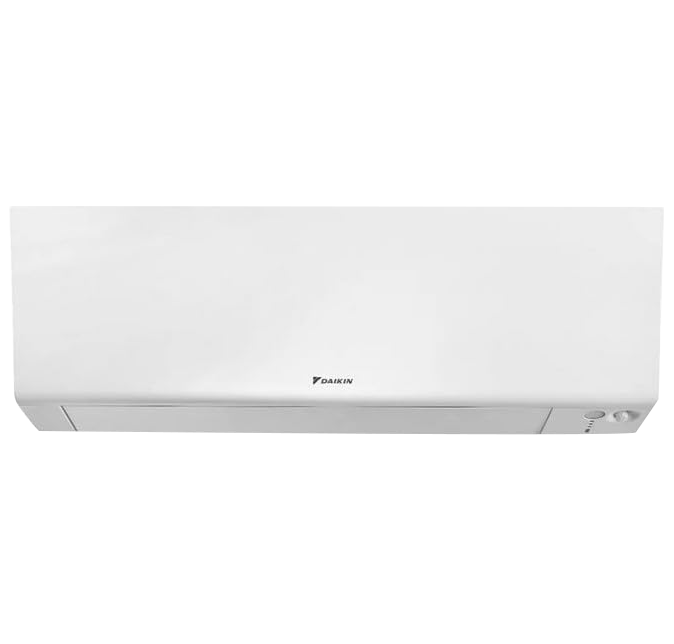
Options for Air Conditioning1. Fixed Aircons2. Portable AirconsPros of Air ConditioningCons of Air ConditioningAre Heat Pumps Better Than Air Conditioning?Is My Home Suitable for Air Conditioning?How Much Does Air Conditioning Cost to Install?Are There Grants for Air Conditioning?Are Air Conditioners Worth It?Is Air Conditioning Worth It in the UK FAQs
Options for Air Conditioning1. Fixed Aircons2. Portable AirconsPros of Air ConditioningCons of Air ConditioningAre Heat Pumps Better Than Air Conditioning?Is My Home Suitable for Air Conditioning?How Much Does Air Conditioning Cost to Install?Are There Grants for Air Conditioning?Are Air Conditioners Worth It?Is Air Conditioning Worth It in the UK FAQs
You’ve probably noticed that British summers don’t feel quite as mild as they used to. Heatwaves are becoming more frequent, and uncomfortable, with sticky nights now a regular feature rather than a rare one.
So it’s no surprise that more people are starting to ask if air conditioning is actually worth it in the UK, or if it's still a luxury that's not really needed?
In this article, we'll discuss the real-world pros and cons of installing air conditioning at home, from comfort and health benefits to running costs, energy use and how often you’ll realistically use it in our climate.
By the end, you’ll have a clear view of whether air conditioning makes sense for your home, your budget and the way you live.
Looking to get started? Fill in the form below to receive a free quote for air conditioning:
First off, you have several ways to add air conditioning to your home, depending on your budget, space and how often you'll use it.
Fixed systems offer permanent, efficient cooling, while portable units give you flexibility without big commitments. Both suit homes in the UK, but your choice depends on whether you want a seamless setup or something you can move around:
Fixed air conditioning systems, like split or multi-split units, get installed permanently by professionals, such as Glow Green, and connect to an outdoor compressor. You get quiet, powerful cooling that blends into your home's design, ideal for cooling multiple rooms or the whole house during heatwaves.
They're also energy-efficient with inverter technology, reversing to heat in winter too, but expect upfront costs to be a bit higher and planning permission checks (in some cases) for outdoor units.
Portable air conditioners are standalone units on wheels that you plug in and vent through a window hose. There is no professional install needed. You can shift them between rooms like bedrooms or home offices, making them perfect for renters or testing cooling before committing to fixed options.
They start cheaper than fixed aircons, but run louder and are less efficient, so they're best for occasional use in single spaces up to medium size.
Air conditioning offers real relief so you don't have to rely solely on fans or open windows. Whether you opt for a fixed system or a portable unit, the following benefits make a noticeable difference to daily comfort and wellbeing.
Here's what you gain from installing aircon:
Enhanced comfort during heatwaves: Keeps your home at a steady, cool temperature when summers hit extremely high temperatures, preventing that sticky, overheated feeling in living rooms or bedrooms.
Better sleep quality: Lowers bedroom temperatures on warm nights, helping you fall asleep faster and wake up refreshed, which is crucial with rising night-time heat.
Humidity control: Removes excess moisture from the air, making spaces feel less clammy, especially in conservatories, lofts or south-facing rooms.
Improved air quality: Many units filter dust, pollen and allergens, creating a healthier environment for allergy sufferers or those with respiratory issues.
Boosted productivity: Maintains a focused workspace at home, ideal for remote work during prolonged hot spells without distractions from discomfort.
Temperature precision: Lets you dial in your ideal setting for consistent comfort year-round, not just peak summer.
Fixed systems for permanence: Wall-mounted or multi-split units provide quiet, efficient cooling for whole homes or key rooms, blending seamlessly with modern interiors.
Portable flexibility: Move standalone units between rooms as needed. No installation hassle, which is perfect for renters or testing cooling in specific areas like bedrooms.
Energy-efficient options: Modern inverter models (fixed or portable) use less power than older systems, keeping bills manageable while delivering strong performance.
While air conditioning brings clear benefits, it comes with drawbacks that you need to weigh up before committing.
Here's what to consider with both fixed and portable options:
Upfront installation costs: Fixed systems require professional installation which can add to aircon costs for multi-room setups. Make sure you have the budget and see air conditioning as a valuable long-term addition to your home.
Ongoing running expenses: Expect your electricity bills to increase. Portable units can be less efficient, pushing bills higher during heatwaves.
Energy consumption impact: Even efficient models add to your carbon footprint and household usage, clashing with net-zero goals if not paired with renewables like solar panels.
Noise levels: Portable aircons often hum loudly, disrupting sleep or TV time. Fixed units are quieter but still audible in small rooms.
Maintenance demands: Filters need regular cleaning and fixed systems require annual servicing, while portables risk mould if not drained properly.
Space and aesthetics: Portable units take up floor space with hoses venting out windows. Fixed outdoor units can clash with home exteriors or rentals.
Not ideal for all homes: Older properties or listed buildings face planning hurdles for fixed installs. Portable units struggle in large or poorly insulated spaces.
As you dig deeper into whether air conditioning makes sense for your home, it's likely you'll encounter heat pumps and start wondering if they outperform traditional aircons.
Both cool effectively during heatwaves, but heat pumps excel with their dual functionality. Essentially, they pull heat out to chill your space in summer and flip to warm it efficiently come winter. However, bear in mind that not every heat pump model offers reverse-cycle cooling so check this feature before deciding.
Nevertheless, if you want one system to handle both heating and cooling year-round, heat pumps are absolutely worth considering for smarter, long-term value.
Also, the Boiler Upgrade Scheme even provides a £7,500 grant to help cover installation, boosting their appeal.
However, if cooling is your sole focus, or your budget doesn't reach for a heat pump, air conditioners offer straightforward, effective relief tailored just for summer comfort. Always pick what aligns with your needs.
Before you invest in aircon, use this simple checklist to see if your home is a good fit. Tick off each point that applies to you as it'll help you decide between fixed or portable options with confidence:
✓ Regular overheating: Your home gets stuffy, especially in lofts, conservatories or south-facing rooms during summer.
✓ Budget for setup costs: You can cover the costs upfront, or have the budget to cover monthly payoffs.
✓ Access for installation: You have outdoor space for fixed units or windows/doors for portable hoses (no planning issues for rentals or listed buildings).
✓ Standard electrical supply: Your home's wiring supports extra load. Most modern homes do, but check with an electrician for older properties.
✓ Good insulation levels: Walls and windows reduce heat gain. It's important to note that aircon works harder (and costs more) in draughty or poorly insulated spaces.
✓ Space for units: You have floor area for portables or wall/outdoor spots for fixed systems without cluttering your layout.
✓ Willingness to maintain: You're happy cleaning filters and servicing fixed units yearly to keep things running smoothly.
✓ Frequent hot weather impact: Heatwaves disrupt your sleep, work or comfort more than a few days a year, making aircon worthwhile.
The price of air conditioning varies widely based on factors like the type of system you choose, your home's size, number of rooms to cool and even your location in the UK. Fixed split systems tend to cost more upfront due to professional installation. Labour, brand quality and extras also play a big role in the final quote.
As mentioned, fixed options start higher depending on the model and power. For example, at Glow Green, the Daikin Perfera 5kW white split system costs around £3,687.50, while the more powerful 7.1kW version comes in at about £3,906.25.
We always recommend getting an air conditioning quote so you can get a more accurate idea of the final cost. At Glow Green, we’re a trusted air conditioning installer with an Excellent Trustpilot rating from more than 14,000 reviews.
Prices are subject to change
To help offset the cost of cooling your home, you might look for some financial help, especially with hotter summers becoming more of the norm. Unfortunately, dedicated government grants for traditional air conditioning units, like fixed systems or portable models, aren't available right now.
However, the Boiler Upgrade Scheme, run by the UK government, supports low-carbon heating solutions but targets air-to-air heat pumps rather than standard aircons as most people know them. These heat pumps provide efficient cooling in summer by extracting heat from indoor air, while reversing to deliver heating in winter, making them a versatile all-year option for homes.
If a dual-function system appeals to you, the BUS offers up to £7,500 towards installation costs for eligible homeowners, landlords or self-builders in England and Wales. Eligibility typically requires replacing a fossil fuel boiler (like gas or oil) with a heat pump installed by an MCS-certified installer (such as Glow Green), and your property must have suitable space and insulation.
Northern Ireland and Scotland have similar schemes with their own rules.
Standard air conditioning, focused purely on cooling, doesn't qualify under BUS or other major grants like ECO4, as they're geared towards energy-saving heating. Portable units also fall outside funding scopes. That means you'll need to budget fully for those, though energy-efficient models can still save on running costs long-term.
For the latest details, visit GOV.UK's Boiler Upgrade Scheme page or consult with a certified installer such as Glow Green. We can confirm if your home fits heat pump grants or suggest financing alternatives.
Always verify current grant availability as schemes evolve.
If your home regularly feels too hot, sticky or hard to sleep in, air conditioning can be well worth the investment. It becomes especially useful when your comfort, rest or day-to-day routine is being affected by the heat.
You may also find air conditioning worthwhile if your bedroom stays warm at night and keeps you awake, if your loft conversion turns into a hot box in summer, or if your home office becomes uncomfortable when you are trying to work.
It can also make a big difference if you live in a south-facing room, a flat with limited airflow or a conservatory that traps heat during the day.
It's also definitely worth it if you or someone in your home struggles with hot weather, or if fans and open windows simply are not enough to keep the space comfortable. In these situations, air conditioning is not a luxury, but a practical way to improve how you and your home feels.
Therefore, if heat is regularly making your home uncomfortable, air conditioning is likely worth it. Still unsure? Get in touch with us here at Glow Green. We'll answer your questions and provide a free air conditioning quote.
Fixed air conditioners involve professional installation with an outdoor unit for quiet, efficient cooling across multiple rooms, while portable units are movable devices vented through a window for single-room use.
Modern air conditioners with inverter technology are highly energy efficient, using less power than older models or constant fans, especially when paired with good home insulation.
Fixed reverse-cycle air conditioners provide heating in winter too, but standard cooling-only models suit summer use.
Air conditioning improves air quality by filtering pollen, dust and allergens, easing hay fever symptoms when you use units with HEPA or advanced filters alongside regular cleaning.
You usually don't need planning permission for outdoor units under Permitted Development rules, but check with your local council for listed buildings, conservation areas or large installs.


