 UK's Trusted Air Conditioning Installer
  Excellent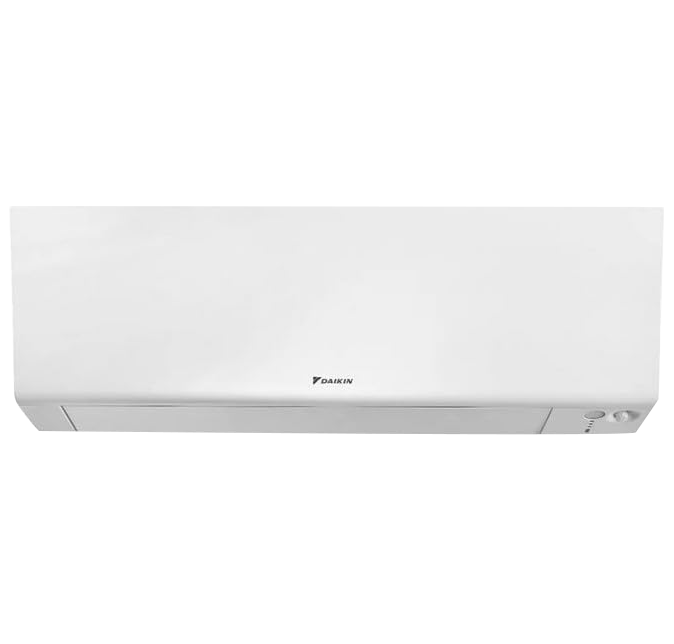
What is a Portable Air Conditioner & How Does It Work?What is a Wall-Mounted Air Conditioner & How Does It Work?Portable vs Wall-Mounted Aircons: What Are the Differences?1. Installation Requirements2. Running Costs & Energy Bills3. Upfront Purchase & Installation Cost4. Noise Levels During Operation5. Cooling Performance & Power6. Portability & Flexibility7. Energy Efficiency & Long-Term Use8. Design & Aesthetic Impact9. Suitability for Renters & Temporary Use10. Features & Smart FunctionalityWhich Is Better for Your Home: A Portable or Wall-Mounted Aircon?Can Portable or Wall-Mounted Air Conditioners Also Provide Heating?Portable vs Wall-Mounted Air Conditioners FAQs
What is a Portable Air Conditioner & How Does It Work?What is a Wall-Mounted Air Conditioner & How Does It Work?Portable vs Wall-Mounted Aircons: What Are the Differences?1. Installation Requirements2. Running Costs & Energy Bills3. Upfront Purchase & Installation Cost4. Noise Levels During Operation5. Cooling Performance & Power6. Portability & Flexibility7. Energy Efficiency & Long-Term Use8. Design & Aesthetic Impact9. Suitability for Renters & Temporary Use10. Features & Smart FunctionalityWhich Is Better for Your Home: A Portable or Wall-Mounted Aircon?Can Portable or Wall-Mounted Air Conditioners Also Provide Heating?Portable vs Wall-Mounted Air Conditioners FAQs
As the temperature rises, having the right air conditioner can make all the difference to your comfort at home.
However, with so many options available, choosing between a portable air conditioner and a wall-mounted unit isn't always straightforward. Both are designed to keep your space cool, yet they differ in terms of installation, performance, running costs and convenience.
Portable air conditioners are often seen as a flexible, easy-to-install solution, while wall-mounted air conditioners are known for their efficiency and long-term performance. The best choice depends on your budget, the size of your space, and how you plan to use the unit.
In this guide, we'll compare portable and wall-mounted air conditioners side by side, exploring their advantages, disadvantages and key features. By the end, you'll have a clearer understanding of which option is best suited to your home and needs.
Ready to make your home more comfortable? Fill in the form below to get a free quote for air conditioning:
A portable air conditioner is a self-contained cooling unit that can be moved from room to room as needed. Unlike wall-mounted air conditioners, it doesn't require permanent installation, making it a popular choice for renters, smaller homes or anyone looking for a flexible cooling solution.
Most portable air conditioners sit on the floor and come with wheels, allowing you to position them wherever cooling is needed. To work effectively, they use a hose that connects to a nearby window, allowing hot air from the room to be vented outside.
The unit works by drawing warm air from the room, cooling it using a refrigeration system, and then blowing the cooled air back into the space. At the same time, the heat that has been removed is expelled through the exhaust hose. Some models also help reduce humidity, making the room feel even more comfortable during hot weather.
While portable air conditioners are generally easy to set up and require little maintenance, they are often best suited to cooling single rooms rather than an entire property. Their portability and convenience make them a practical option for people who need temporary or flexible cooling without the commitment of a fixed installation.
A wall-mounted air conditioner is a fixed cooling system that is permanently installed on an interior wall of your home or business. Unlike a portable air conditioner, it doesn't take up floor space and is designed to provide efficient, long-term cooling for a room or multiple areas within a property.
Most wall-mounted air conditioners are part of a split system, which consists of two main components: an indoor unit mounted on the wall and an outdoor unit positioned outside the building. These units work together to remove heat from inside your home and release it outdoors.
The system works by drawing warm air from the room into the indoor unit, where it is cooled using a refrigerant. The cooled air is then circulated back into the room, while the unwanted heat is transferred to the outdoor unit and expelled outside. Many modern systems can also provide heating, known as heat pumps, making them a useful year-round climate control solution.
Wall-mounted air conditioners are known for their energy efficiency, quiet operation and powerful cooling performance. Although they require professional installation and a higher upfront investment than portable units, they often offer lower running costs and more consistent comfort over time.
For people looking for a permanent and effective cooling solution, a wall-mounted air conditioner is often the preferred choice.
Want to learn more? Check out our guide on the Best Air Conditioning Units in the UK
Choosing between a portable and a wall-mounted air conditioner isn’t always straightforward as both options are designed to cool your home but in very different ways.
To help you decide which is best for your space, here’s a look at the key differences between portable and wall-mounted air conditioners:
| Key Difference | Portable Air Conditioners | Wall-Mounted Air Conditioners |
|---|---|---|
| Installation Requirements | Simple setup using a window kit for venting hot air. No permanent installation needed. | Requires professional installation with both indoor and outdoor units, making it a fixed solution. |
| Running Costs and Energy Bills | Can become more expensive to run with frequent use due to lower efficiency. | Generally cheaper to run over time thanks to higher energy efficiency. |
| Upfront Purchase and Installation Cost | Lower initial cost with no installation fees required. | Higher upfront cost due to professional installation and equipment. |
| Noise Levels During Operation | Noisier, as all components (including the compressor) are inside the room. | Much quieter indoors since the compressor is located outside. |
| Cooling Performance and Power | Best suited for smaller rooms or occasional use. | Provides stronger, more consistent cooling for larger spaces. |
| Portability and Flexibility | Can be moved between rooms easily as needed. | Fixed in one location once installed. |
| Energy Efficiency and Long-Term Use | Less efficient, especially during long periods of use. | More efficient and better suited for long-term daily operation. |
| Design and Aesthetic Impact | More visible and can take up floor space in the room. | Sleek, wall-mounted design that blends into the room. |
| Suitability for Renters and Temporary Use | Ideal for renters or temporary living situations. | Better for homeowners or permanent installations. |
| Features and Smart Functionality | Basic features focused mainly on cooling. | Often includes advanced features like smart controls, timers, heating and air purification. |
Portable air conditioners are simple to set up and typically only require a window kit for venting hot air. In contrast, wall-mounted systems need professional installation, including both an indoor and outdoor unit, making them a more permanent solution.
Thinking about installing a permanent air conditioning system? Explore our guide to the Best Air Conditioning Installers in the UK.
While portable air conditioners may seem cheaper at first, they can become more expensive to run if used frequently. Wall-mounted systems, although more expensive upfront, often provide better efficiency and lower ongoing electricity costs.
Portable air conditioners are typically the more budget-friendly option initially, with no installation fees required. Wall-mounted systems involve a higher upfront cost due to professional installation and equipment, but this investment often pays off over time.
Looking for air conditioning installation prices? Read our guide to Air Conditioning Installation Costs and what factors affect them.
Since portable air conditioners house all their components inside the room, including the compressor, they tend to be noticeably louder during use. Wall-mounted systems place the noisy components outside the home, resulting in a much quieter indoor environment.
Wall-mounted air conditioners generally deliver stronger and more consistent cooling, making them ideal for larger rooms or open-plan spaces. Portable units, while effective, are better suited to smaller rooms or occasional use, as their cooling capacity is usually more limited.
One of the biggest advantages of portable air conditioners is their flexibility. They can be moved from room to room as needed, offering cooling exactly where you want it. Wall-mounted units, however, are fixed in place and designed to serve a specific area.
Wall-mounted air conditioners are generally more energy-efficient, especially when used regularly or for long periods. Portable units often need to work harder to achieve the same cooling effect which can lead to higher energy consumption over time.
Wall-mounted air conditioners are designed to be sleek and discreet, blending into your wall without taking up floor space. Portable units are more visible and can feel bulkier in a room, which may affect the overall look and layout of your space.
Portable air conditioners are often the preferred choice for renters or those in temporary accommodation because they don’t require permanent changes to the property. Wall-mounted units are better suited for homeowners or long-term installations.
Wall-mounted air conditioners often come with more advanced features such as smart controls, timers, heating modes and air purification functions. Portable units tend to focus on core cooling functions, with fewer advanced settings but easier everyday usability.
| Criteria | Portable Air Conditioner | Wall-Mounted Air Conditioner |
|---|---|---|
| Renting a property | ✔ | |
| Own your home | ✔ | |
| Need a temporary cooling solution | ✔ | |
| Looking for a long-term investment | ✔ | |
| Want the lowest upfront cost | ✔ | |
| Want lower running costs | ✔ | |
| Need to cool a large room | ✔ | |
| Want a quiet cooling solution | ✔ | |
| Don't want professional installation | ✔ | |
| Want the most energy-efficient option | ✔ | |
| Limited floor space available | ✔ | |
| Need a unit that can be moved around | ✔ | |
| Want a discreet appearance | ✔ | |
| Interested in smart controls and advanced features | ✔ | |
| Need cooling for occasional use only | ✔ | |
| Need daily cooling during summer | ✔ | |
| Want heating and cooling in one system | ✔ |
If you’re trying to decide between a portable and a wall-mounted air conditioner, the table above makes it easier to see which option suits different needs.
In simple terms, portable air conditioners are best for people who rent, want a lower upfront cost or need a flexible solution they can move between rooms. They’re also a good choice for occasional or short-term cooling, especially if you don’t want to commit to permanent installation.
On the other hand, wall-mounted air conditioners are better suited to homeowners who want a long-term, efficient cooling system. They perform better in larger spaces, run more quietly and are generally more energy-efficient over time, making them ideal for regular daily use.
Ultimately, the right choice depends on your home, budget and how often you plan to use your air conditioning.
If you’re still unsure which option is right for you, get in touch with us at Glow Green. One of our air conditioning specialists will be happy to discuss your needs and help you choose the best option for your home.
Some air conditioning systems can do more than just cool your home. In fact, certain wall-mounted air conditioners, especially modern split systems, can also work in reverse to provide heating during colder months. These are often referred to as reverse-cycle systems and operate in a very similar way to heat pumps.
A heat pump is an energy-efficient system that moves heat rather than generating it. In summer, it extracts heat from inside your home and releases it outside to cool your space. In winter, the process is reversed, drawing heat from the outside air and transferring it indoors to warm your home.
Many wall-mounted air conditioners use this same technology, which is why they can often double up as both a cooling and heating solution.
Portable air conditioners, however, are typically designed for cooling only. While a small number of models may offer a heating function, they are generally less efficient and less powerful than a dedicated heat pump system.
Due to this, people looking for a year-round solution often consider heat pumps as a more effective option. They provide both heating and cooling in one system, tend to be more energy-efficient than traditional electric heaters, and offer a more consistent level of comfort throughout the year.
Want to learn more? Read our guide on How Air Source Heat Pumps Work.
Glow Green is also a leading installer of heat pumps as well as air conditioning systems. If you have any questions about either option, get in touch with us as our specialists will be happy to help.
The main difference is that portable air conditioners are movable and require minimal installation, while wall-mounted air conditioners are fixed systems that require professional installation but offer stronger and more efficient cooling.
Portable air conditioners are generally not designed to cool an entire house. They work best for cooling single rooms or small areas.
Wall-mounted air conditioners are usually more efficient, quieter and more powerful, making them better suited for long-term and whole-room cooling. However, portable units can be better for renters or short-term use. It ultimately depends on your personal circumstances and needs.
Yes, portable air conditioners need to be vented through a window or similar opening to release hot air outside. Without proper venting, they will not cool effectively.
Wall-mounted air conditioners are generally more energy-efficient, which means they often cost less to run over time compared to portable units, especially with regular use.


