 UK's Trusted Air Conditioning Installer
  Excellent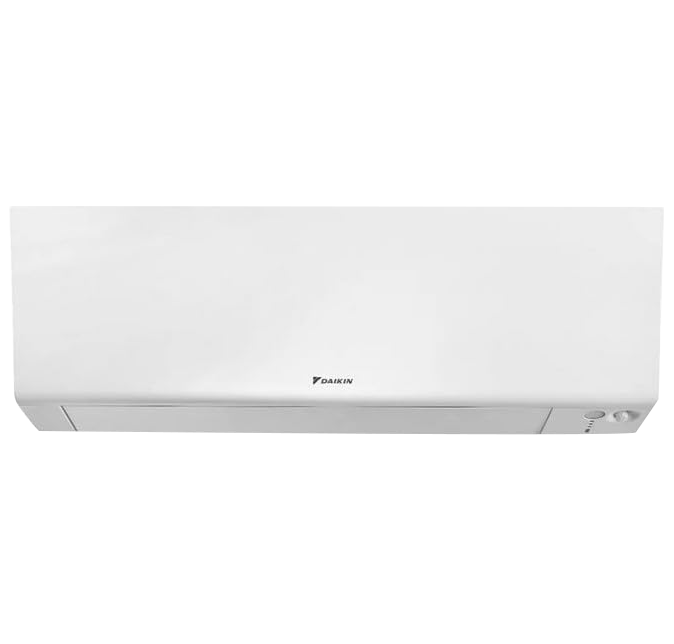
Best Air Conditioning UnitsDaikin PerferaSamsung CEBUHitachi AirHomeWhy Choose a Permanent Air Conditioner Over a Portable Unit?Top Air Conditioning BrandsFactors to Consider When Choosing an Air ConditionerHow to Choose the Right Size Air ConditionerHow We Picked the Top Air Conditioning UnitsAre Air Conditioners Worth It?Best Air Conditioning Units FAQs
Best Air Conditioning UnitsDaikin PerferaSamsung CEBUHitachi AirHomeWhy Choose a Permanent Air Conditioner Over a Portable Unit?Top Air Conditioning BrandsFactors to Consider When Choosing an Air ConditionerHow to Choose the Right Size Air ConditionerHow We Picked the Top Air Conditioning UnitsAre Air Conditioners Worth It?Best Air Conditioning Units FAQs
With so many air conditioning units available in the UK, choosing the best one for you and your home can feel overwhelming.
In order to help you with your decision, this guide will break down the best air conditioning units available in the UK for 2026. We’ll compare performance, energy ratings and smart features to help you make the right choice for your home and lifestyle.
Also, with guidance from our in-house experts, we aim to share honest insights on different aircon units, giving you the useful knowledge you need before buying.
Prefer to speak with one our specialists? Fill in the form below to receive a free, air conditioning quote and someone will be in touch:
For ease, here are some of the top air conditioning units available in the UK:
| Air Conditioning Unit | SEER Rating | Noise Level (Indoor) | Energy Label (Cooling) | Other Standout Features |
|---|---|---|---|---|
| Daikin Perfera | Up to 8.7 | 19 dB(A) minimum (silent operation for cooling) | A+++ | Advanced air purification filter and built-in WiFi control. |
| Samsung CEBU | Up to 7.6 | 38 / 16 (indoor unit high / silent mode) | A++ | Built-in WiFi and smart control via app. |
| Hitachi AirHome | Up to 7.5 | 51 dB(A) minimum (sound power) | A++ | Connected system with inverter technology and enhanced air quality features. |
| Air Conditioning Unit | SEER Rating | Noise Level (Indoor) | Energy Label (Cooling) | Other Standout Features |
|---|---|---|---|---|
| Daikin Perfera | Up to 8.7 | 19 dB(A) minimum (silent operation for cooling) | A+++ | Advanced air purification filter and built-in WiFi control. |
The Daikin Perfera is a premium wall-mounted air conditioner designed for modern homes in the uk, offering powerful cooling across a range of sizes from smaller bedrooms to larger living spaces. With its high SEER rating of up to 8.7 and A+++ energy label, you'll enjoy efficient performance that tackles even the hottest summer days. What sets it apart is the combination of whisper-quiet operation and smart features that make it effortless to use every day.
If you want reliable cooling that doesn't disturb your home life, the Daikin Perfera is a great choice. Its indoor noise level starts at just 19 dB(A), quieter than a library whisper, so it's ideal for bedrooms, home offices or anywhere peace matters.
The inverter technology adjusts power smoothly to maintain steady temperatures without constant on-off cycling, saving energy while keeping you comfortable. For homes where summers are getting warmer but shorter, this unit gives you top-tier efficiency and performance without overkill.
The Daikin Perfera goes beyond basic cooling with an advanced air purification filter that captures dust, pollen and allergens, helping you breathe easier during hay fever season or in dusty environments.
Built-in WiFi control lets you manage settings from your smartphone via the Daikin app. For example, turn it on before you get home, set sleep modes or monitor energy use remotely. These features make it a smart addition to your home that improves air quality and convenience all summer long.
| Air Conditioning Unit | SEER Rating | Noise Level (Indoor) | Energy Label (Cooling) | Other Standout Features |
|---|---|---|---|---|
| Samsung CEBU | Up to 7.6 | 38 / 16 (indoor unit high / silent mode) | A++ | Built-in WiFi and smart control via app. |
The Samsung CEBU is a wall-mounted air conditioner well-suited for homes looking for solid cooling performance without unnecessary complexity. With a SEER rating up to 7.6 and an A++ energy label, you'll get dependable efficiency that handles typical summer heat while keeping running costs reasonable. It's particularly appealing if you value smart connectivity and flexible operation across medium-sized rooms like living areas or spare bedrooms.
The Samsung CEBU's noise levels range from 38 dB(A) on high speed down to an impressively quiet 16 dB(A) in silent mode, making it suitable for both active daytime use and peaceful overnight cooling. The inverter compressor works smoothly to maintain consistent temperatures, avoiding energy waste from frequent cycling, and its compact design fits neatly on most walls without dominating the room.
For homes where you want good performance at a more accessible price point than premium models, this unit strikes a practical balance.
Beyond the basics, the Samsung CEBU offers built-in WiFi with app control through Samsung's SmartThings platform, letting you adjust settings, monitor usage or even receive filter cleaning reminders right from your phone. It includes easy-access filters for quick maintenance and multiple fan speeds with auto-swing for even air distribution throughout the room.
Plus, energy-saving modes like Good Sleep and Auto Clean help reduce bills and keep the unit fresh, making it a low-maintenance choice that enhances comfort without extra hassle.
| Air Conditioning Unit | SEER Rating | Noise Level (Indoor) | Energy Label (Cooling) | Other Standout Features |
|---|---|---|---|---|
| Hitachi AirHome | Up to 7.5 | 51 dB(A) minimum (sound power) | A++ | Connected system with inverter technology and enhanced air quality features. |
The Hitachi AirHome is a practical wall-mounted air conditioner built for everyday reliability in households, covering everything from compact bedrooms to medium-sized family rooms. Its A++ energy label and SEER up to 7.5 deliver consistent cooling that matches typical summer demands without excessive power draw. What makes it stand out is the thoughtful engineering that prioritises long-term usability and simple integration into your home setup.
The Hitachi AirHome is an excellent choice when you need a system that handles real-world conditions effectively. It operates steadily across a wide temperature range and includes heating capability for shoulder seasons, giving you year-round versatility.
The compact indoor unit measures just 780 x 280 x 222 mm, so it slots discreetly above doors or in tight spaces without cluttering your walls. With R32 refrigerant and straightforward single-phase power needs, it's a no-fuss choice that installers find easy to set up in most properties.
Hitachi AirHome includes FrostWash self-cleaning technology that uses frozen condensate to deep-clean the coils, reducing bacteria buildup and maintenance time for you. The airCloud Home app offers remote scheduling with weekly timers and 0.5°C precise temperature control, plus a 'favourite settings' button on the remote for quick access to your preferred modes.
Additional touches like multiple airflow directions and dehumidification modes ensure even cooling and comfort, making it a smart, low-effort solution for busy homes.
In the section above, we looked at some of the best permanent air conditioners that need to be professionally installed. But you may still be wondering why you should choose a permanent air conditioner over a portable unit, especially when portable models can seem like a simpler option at first glance.
Portable air conditioners do have some advantages. They’re usually cheaper to buy upfront, they don’t need a full installation, and they can be moved from room to room, which makes them handy if you only need cooling in one space at a time.
They can also be a useful short-term option if you rent your home or want a temporary solution during hotter months.
That said, permanent air conditioners usually offer better performance overall. They are designed to cool your home more effectively, operate more quietly and provide a more reliable long-term solution than most portable units.
The main benefits of choosing a permanent air conditioner over a portable unit are:
Better cooling performance, especially in larger rooms or open-plan spaces.
More even temperature control throughout the room.
Quieter operation, since the noisier parts are installed outside or away from the main living area.
Improved energy efficiency compared with many portable models.
No need to place a hose through a window or door.
A neater, more discreet appearance in your home.
Less day-to-day hassle, with no need to move the unit around.
A longer-term solution that is better suited to regular use.
Better humidity control, helping the room feel more comfortable.
A more professional finish that can add value and convenience.
When it comes to choosing the best air conditioning unit for your home, the brand you pick can make all the difference. Reputable manufacturers often offer better energy efficiency, longer warranties and smart features.
To help narrow down your options, here’s a closer look at three industry-leading air conditioning brands trusted across the UK and Glow Green:
Hitachi is known for producing reliable and energy-efficient air conditioning systems that deliver consistent comfort year-round. You’ll find their units designed with advanced inverter technology which helps reduce energy consumption while maintaining steady temperatures.
Many models also come with quiet operation modes and sleek designs that fit neatly into modern homes. If you’re looking for a balance of performance, durability and value, Hitachi is a solid choice.
Samsung brings its trademark innovation to home cooling, offering air conditioning units packed with smart technology. Many Samsung systems can connect to your smartphone through the SmartThings app, giving you full control over your home’s temperature from anywhere.
They’re also designed with clean air features like advanced filters and antibacterial coating, helping you breathe easier while staying cool. Samsung’s aircons stand out for their blend of efficiency and sleek style.
Daikin is one of the most respected names in the air conditioning world, known for exceptional build quality and cutting-edge efficiency. Their units are engineered to deliver powerful cooling while keeping energy bills low, ideal if you care about both comfort and sustainability.
Daikin also leads in quiet operation and long-lasting reliability, making their systems popular in both homes and offices. If you’re after premium performance and trusted technology, Daikin is hard to beat.
Unfortunately, when you're choosing an air conditioner for your home, it isn’t just about finding one that fits your budget. It’s about choosing a unit that will keep you comfortable, run efficiently and suit your lifestyle.
Here are the most important factors to look at before making your decision:
When comparing air conditioners, one of the first things to check is the SEER (Seasonal Energy Efficiency Ratio) rating. This tells you how efficiently the unit uses energy to cool your home.
The higher the SEER rating, the more efficient the system, which can mean lower running costs and less environmental impact. Look for models with a SEER rating of around 7.5 or higher for good performance in the UK climate.
Your air conditioner’s cooling power, usually measured in kilowatts (kW), determines how effectively it can cool your space. A unit that’s too small will struggle to keep up on hotter days, while one that’s too large may waste energy.
The size and BTU (British Thermal Unit) rating of your air conditioner should match the size of your room. BTU measures how much cooling the unit can provide. Getting the right size helps ensure better comfort and energy efficiency.
Don't worry too much about this though, your chosen aircon installer will work this out for you.
If you’re installing your air conditioner in a bedroom or living area, noise level is a key consideration. In general, modern units run quietly. Always check the manufacturer’s noise rating before buying, especially if you’re sensitive to sound or plan to use it overnight.
Air conditioners are now more connected than ever. Many modern systems come with built-in WiFi or compatibility with smart home apps like Google Home or Amazon Alexa. This means you can control temperature settings, timers and energy usage from your phone. If connectivity is important to you, then this is a key factor to look out for.
A good air conditioner does more than cool the air, it can also help improve your indoor air quality. Look for units that include HEPA or activated carbon filters, which capture dust, pollen and allergens. Some advanced models even feature built-in air purifying or dehumidifying functions to keep your home fresher and healthier.
Consider how the air conditioner will look and fit in your space. Wall-mounted units are the most common in UK homes, but floor-standing or ceiling cassette systems may be better for larger or commercial areas. A professional installation ensures your system runs safely and efficiently, and can often extend the lifespan of your unit.
Finally, don’t forget to balance price with long-term value. Investing in a high-quality, energy-efficient air conditioner may cost more upfront but can save you money over time through reduced energy bills and fewer repairs. Always check the manufacturer’s warranty too, a longer warranty usually means greater peace of mind.
Want to dive deeper into air conditioning costs? Have a look at our detailed guide for all the figures and insights.
As we discussed above, one of the important factors when choosing an air conditioner is getting the right size. This is because a unit that’s too small will struggle to cool the space and may end up running constantly, which can increase your energy bills.
On the other hand, a unit that’s too powerful can cool the room too quickly without properly removing moisture from the air, leaving the space feeling damp and uncomfortable.
To find the right size, you need to match the air conditioner’s cooling capacity to the room it’s going in. This is usually measured in BTUs (British Thermal Units) or kilowatts (kW). Both tell you how much heat the unit can remove, just in different formats. In the UK, you’ll often see air conditioners listed in kW, but as a rough guide, 1kW equals around 3,412 BTUs.
When working out what size you need, start with the room itself. Larger rooms will naturally need more cooling power, but that’s not the only factor. Ceiling height plays a role too, as taller spaces hold more air. You should also think about how well the room is insulated, how much sunlight it gets throughout the day and even how many people regularly use the space, as all of these can affect how warm it becomes.
As a simple example, a unit around 3.5kW (roughly 12,000 BTUs) is typically suitable for a medium-sized room like a living room or large bedroom. Smaller rooms will need less power, while open-plan areas or rooms with lots of glazing may require a more powerful system.
Although this might seem a bit confusing, there’s no need to worry. A professional installer, like Glow Green, can assess your space and recommend the right air conditioner size for your home.
When putting this list together, the aim was to give you recommendations you can genuinely trust, rather than just repeating marketing claims.
You'll want an air conditioner that keeps you comfortable, is simple to use and doesn’t cost a fortune to run, so we focused on the same key things you’d naturally care about when choosing a unit for your home.
We also looked beyond just the headline features and made sure the options we’ve included are practical for real homes in the UK. That means checking how well they perform in typical room sizes, how easy they are to live with day to day and whether they offer good value over the long term rather than just at the point of purchase.
Here are the main factors we considered:
Energy efficiency (including SEER ratings and other efficiency figures)
Noise levels and any built-in noise reduction technology
Installation requirements and ease of ongoing maintenance
Durability, build quality and length of warranty
Cooling capacity and suitability for different room sizes
Overall cost, including upfront price and long-term running costs
Environmental impact, such as the type of refrigerant used
Brand reputation and customer reviews
Smart features, including app control, timers and integration with other devices
Ultimately, we wanted to be able to highlight air conditioning units that are practical, efficient and comfortable to live with day to day.
Ultimately, if you feel like you’re really struggling in certain rooms of your home when the temperature rises, and it’s starting to affect your comfort, sleep or daily routine, then an air conditioner is very likely worth it.
When heat is making you irritable, keeping you awake at night or forcing you to avoid parts of your home, investing in proper cooling can have a positive impact on your quality of life. With an air conditioner, you can keep key rooms at a steady, comfortable temperature so you’re not constantly opening windows, dragging fans around or feeling sticky and drained.
You’ll especially notice the difference in bedrooms and home offices where being too hot can stop you from sleeping properly or concentrating, and if anyone in your home is older or has health issues, that extra control over the temperature can be a real relief.
However, you do still need to think about energy use and running costs, because air conditioners use more electricity than a standard fan. Choosing an efficient model and using features like timers, eco modes and sensible temperature settings can help keep bills under control.
If you mainly cool one or two rooms at the hottest times of day, you might find the cost is more manageable than you expect, especially compared to the benefit you get in comfort.
There can also be health and sleep benefits. Many air conditioners include filters that help capture dust and pollen, which can make the air feel cleaner if you struggle with allergies or hay fever. Cooler, more stable temperatures at night can improve your sleep during hot spells, so you’re not lying awake and waking up feeling drained.
In the end, if you feel that installing an air conditioner will genuinely improve your day-to-day life, then it’s likely to be money well spent. However, if you’re still on the fence, you can always get in touch with us at Glow Green so we can talk through your home, your needs and the options available to you.
You do not need air conditioning in every room. Many people choose to cool only key spaces such as bedrooms, living rooms or home offices where they spend the most time or feel the heat most.
Air conditioners do cost more to run than a standard fan, but modern units are much more efficient than older models. Using features like timers, eco modes and sensible temperature settings can help keep your energy use under control.
Most modern air conditioners are designed to run quietly, especially on lower fan settings. If noise is a concern, you can look for models with a specific 'quiet' or 'sleep' mode and check the decibel (dB) rating before you buy.
Many air conditioners include filters that capture dust, pollen and other particles. While they are not medical devices, they can help improve indoor air quality and may make your home more comfortable if you suffer from allergies.
For most permanent setups, you do need a qualified professional to install the air conditioner safely and correctly. At Glow Green, we're a top air conditioning installer, and our trusted team installs units to a high standard, so you can be confident your air conditioner is fitted properly and tailored to your home.


