 UK's Trusted Air Conditioning Installer
  Excellent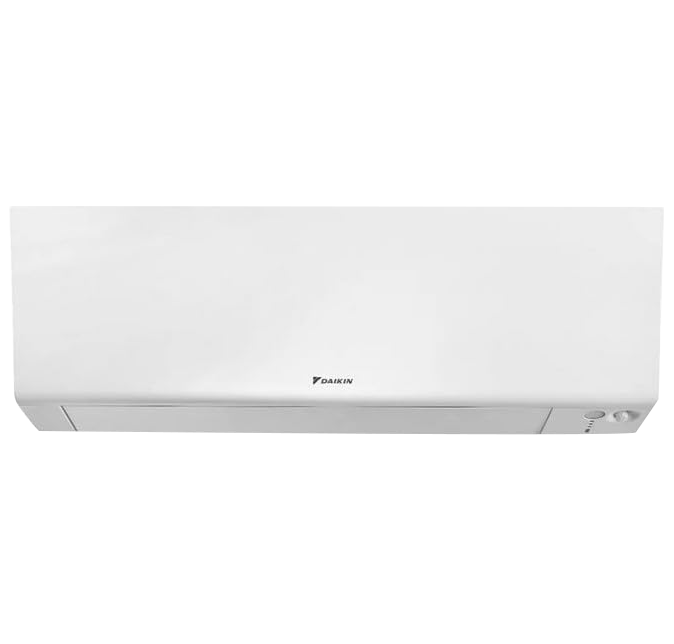
Choosing the right size air conditioner is one of the most important steps when planning to install an aircon in your home. If your unit is too small, it will struggle to keep up and run constantly, potentially driving up your energy bills.
On the other hand, an oversized air conditioner can cool the room too quickly without properly removing humidity, leaving your space feeling uncomfortable and wasting energy.
The ideal air conditioner size depends on factors like your room size, ceiling height, insulation and even how much sunlight the space gets. By understanding these basics, you can find a system that delivers efficient cooling, keeps your home comfortable and helps you avoid unnecessary costs in the long run.
Ready to take the next step? Complete the form below to get your free air conditioning quote:
Firstly, when it comes to choosing the right air conditioner, it helps to first understand what a BTU means. BTU stands for British Thermal Unit, and it’s a measure of how much heat an air conditioner can remove from a room.
In simple terms, the higher the BTU rating, the more powerful the air conditioner is at cooling a space. A unit with too few BTUs may struggle to cool your room effectively, while one with too many could cool too quickly without properly reducing humidity.
Think of BTUs as a way of matching your air conditioner to the size of your room. Getting this balance right ensures your system runs efficiently, keeps your home comfortable and avoids wasting energy.
After understanding what a BTU is, you might also come across another term when comparing air conditioners: kW (kilowatts). While they may look different, both are simply ways of measuring an air conditioner’s cooling capacity.
The main difference is that BTU is a traditional unit, while kW is the standard metric measurement used in the UK and across Europe. Manufacturers often use kW ratings to describe how powerful an air conditioning system is.
To put it simply, both units tell you the same thing - how much cooling power the system provides - just in different formats. As a rough guide, 1kW is equal to around 3,412 BTUs.
For example, a 3.5kW air conditioner is roughly equivalent to 12,000 BTUs, making it suitable for a medium-sized room.
Understanding both measurements can make it easier to compare different models and ensure you choose a system with the right cooling capacity for your space.
Working out the right BTU for your air conditioner is easier than it sounds. By calculating the size of your room, you can get a good estimate of the cooling power you’ll need.
Start by measuring the length and width of your room in metres. Multiply these together to get the room’s floor area (m²).
Now you know your room size, you can use the table below to estimate the BTU your air conditioner will need:
| Room Size (Sq. Ft.) | Room Size (Sq. m.) | BTU |
|---|---|---|
| 100 to 150 | 9 to 14 | 8,000 |
| 150 to 250 | 14 to 23 | 9,000 |
| 250 to 300 | 23 to 28 | 10,000 |
| 300 to 350 | 28 to 33 | 12,000 |
| 350 to 400 | 33 to 37 | 14,000 |
| 400 to 450 | 37 to 42 | 18,000 |
| 450 to 650 | 42 to 60 | 25,000 |
This table is based on guidance from Appliances Direct and should be used as a general estimate only. For a more accurate recommendation, it’s best to consult a professional air conditioning installer, such as Glow Green.
While calculating your BTU gives you a strong starting point, it’s not the only factor to consider when choosing the right air conditioner size.
Several other elements can influence the power you’ll need:
Room height: Rooms with higher ceilings have more air to cool which means you may need a higher BTU rating than a standard calculation suggests.
Sunlight exposure: Rooms that get a lot of direct sunlight throughout the day tend to heat up more, increasing the demand on your air conditioner.
Insulation quality: Well-insulated rooms retain cool air more effectively, while poorly insulated spaces may require a more powerful unit.
Number of occupants: The more people using a room, the more heat is generated, which can increase the required BTU.
Appliances and electronics: Items like TVs, ovens and computers give off heat which can add to the cooling load.
Window size and type: Large or single-glazed windows can let in more heat, meaning a higher capacity air conditioner may be needed.
Room usage: Kitchens and busy living spaces often need more cooling power than bedrooms or less frequently used rooms.
Ultimately, to ensure you choose the best air conditioner for your needs, we recommend consulting a professional air conditioning installer, such as Glow Green.
As mentioned, choosing the right air conditioner size is essential for keeping your home comfortable while avoiding unnecessary energy costs. A unit that’s too small or too large can both lead to problems.
If your air conditioner is too small, it will struggle to cool the space effectively. This means it will run continuously, potentially increasing your energy bills and putting extra strain on the system.
On the other hand, an oversized air conditioner may cool the room too quickly without properly removing humidity from the air. This can leave your home feeling damp or uncomfortable, while also causing the system to switch on and off more frequently, reducing its efficiency and lifespan.
Getting the size right ensures your air conditioner runs efficiently, maintains a consistent temperature and delivers reliable, long-lasting performance. It also helps you keep running costs under control.
Once you’ve chosen the right air conditioner size, the next step is working out how many units your home will need. This depends on the layout of your property, the number of rooms and how you plan to use each space.
In most cases, a single air conditioner is designed to cool one room or area effectively. If you want to cool multiple rooms, you’ll usually need either several individual units or a multi-split system that connects multiple indoor units to one outdoor unit.
For smaller homes or flats, one or two well-placed units may be enough to maintain a comfortable temperature. However, larger homes, open-plan spaces or multi-storey properties often require multiple air conditioning units to ensure consistent cooling throughout.
It’s also worth thinking about how you use your home. For example, you may only need air conditioning in living areas and bedrooms, rather than every room.
To get the best results, a professional aircon installer, such as Glow Green, can assess your home and recommend the ideal number of units based on your space, usage and cooling needs.
The size of your air conditioner can have a direct impact on both the upfront cost and ongoing running expenses. Generally, units with a higher BTU output or kW rating are more powerful, which means they tend to be more expensive to purchase and install.
For example, a smaller system like the Daikin Perfera 3.5kW typically costs around £2,968.75, making it a more affordable option for smaller rooms.
In comparison, a more powerful unit such as the Daikin Perfera 5kW is priced at approximately £3,687.50, while the larger Daikin Perfera 7.1kW can cost around £3,906.25. Similarly, the Daikin Comfora 7.1kW sits slightly lower at roughly £3,781.25.
It’s important to remember that choosing the right size isn’t just about the initial price. An incorrectly sized unit can lead to higher energy bills, reduced efficiency, and increased wear and tear over time. Investing in the correct size ensures better performance and long-term savings.
It’s also important to note that the price you pay will depend heavily on your individual circumstances, such as the size of your room, how many units you need and the complexity of the installation.
At Glow Green, you can choose from a wide range of high-quality air conditioning systems from leading brands such as Daikin, Samsung and Hitachi, giving you flexibility to find a system that suits both your home and your budget.
If your home often feels too warm, humid or uncomfortable, especially during the summer months, investing in air conditioning can make a noticeable difference. It’s particularly valuable when heat starts to affect your sleep quality, productivity or overall comfort at home.
It's important to remember that air conditioning doesn’t just cool the air, it also helps reduce humidity levels, creating a more comfortable and breathable indoor environment. This can be especially beneficial in bedrooms where a cooler space can lead to a better night’s sleep.
While there is an upfront air conditioning cost to consider, the long-term benefits of improved comfort, convenience and air quality often make it a worthwhile investment for many people.
Ultimately, if rising temperatures are disrupting your daily routine, air conditioning is worth it.
If your air conditioner is too small, it will struggle to cool the space effectively, run continuously and increase your energy bills.
An oversized air conditioner may cool the room too quickly without removing enough humidity, leading to discomfort and reduced efficiency.
Yes, open-plan areas usually require a higher BTU or multiple units because there is more space to cool and fewer barriers to contain the air.
Yes, good insulation helps keep cool air inside, meaning you may need a lower BTU, while poor insulation can increase the required cooling capacity.
The number of units depends on your home’s size, layout and how many rooms you want to cool, with larger or multi-storey homes often needing multiple systems.


